Beyoncé – Pretty Hurts (Official Video Complete VEVO) | Self Love Anthem
0Beyoncé – Pretty Hurts (Official Video) | Self Love Anthem
“Pretty Hurts” is a 2013 self-referential anthem from Beyoncé’s fifth studio album that confronts the unbearable pressure women face to be flawless, with its official video (directed by Melina Matsoukas) portraying a beauty pageant as a metaphor for the hyper-competitive, punishing standards of beauty imposed by media, society, and the self. The track strips away the glossy pop of earlier hits and builds a slow, almost hymn-like R&B ballad, where Beyoncé’s voice moves from a trembling whisper to a full, defiant roar, while the lyrics expose the relentless cycle of dieting, weighing, and “plastic smiles” that women endure in the name of “perfection”. By 2026, the song and video remain a benchmark in discussions of body image, self-love, and the use of pop as a space for social critique and healing.
The Song, the Video, and the Beyoncé Album Context
“Pretty Hurts” is built on a minimalist, melancholic R&B groove with layered humming, soft percussion, and a vocal line that alternates between fragile intimacy and commanding power. The lyrics are direct and confrontational: “TV says bigger is better / South Beach says thinner is better / Vogue says thinner is better,” highlighting how different media outlets impose contradictory and impossible standards. The song frames the beauty pageant as a simbolic space where women are judged not for their talent or character but for their bodies, their “perfect” hair, and their ability to present a “plastic smile”.
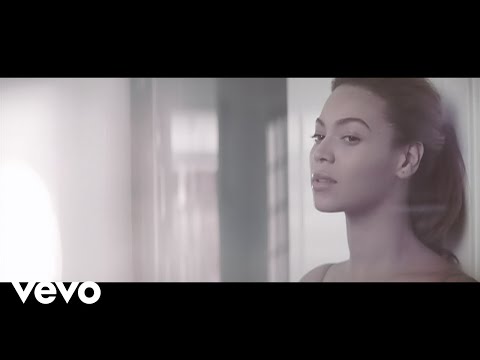
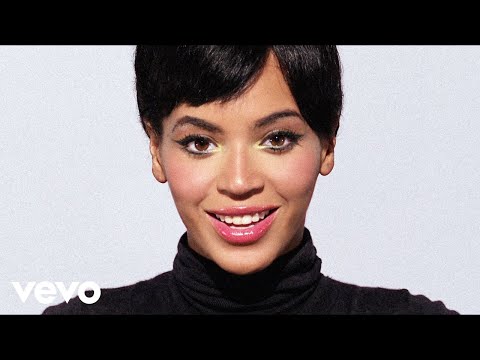
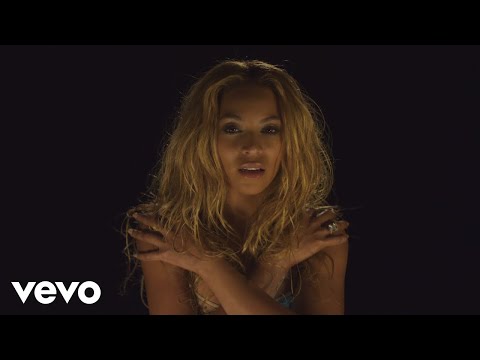
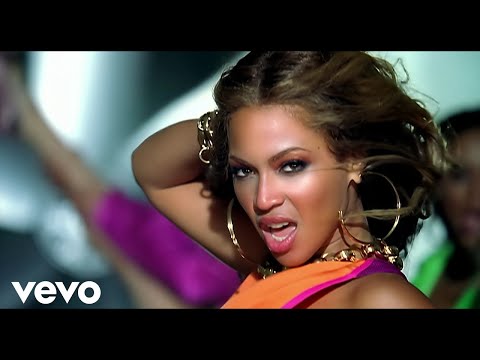
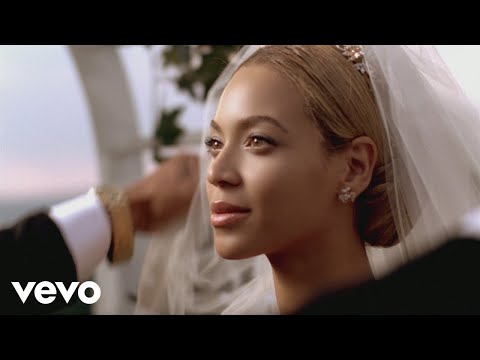
The official video, released alongside the rest of the Beyoncé album in December 2013, depicts Beyoncé as a contestant in a beauty pageant, going through extreme measures to win: she is shown vomiting, exercising excessively, weighing herself, undergoing a fake facelift and Botox, and finally breaking down after losing the competition. The video’s visual language is stark and intimate: empty rooms, a half-eaten meal, a single dress, and the overwhelming presence of judges, cameras, and fans. It functions as a counterpoint to the more glamorous, high-production visuals of other songs on the album, emphasizing instead the loneliness, vulnerability, and unavoidable scrutiny that come with being judged by society.
Melina Matsoukas, the director, explained that the concept of the video is a behind-the-scenes look into society’s take on beauty and how it doesn’t bring you happiness and it doesn’t move you forward in life. It’s really finding yourself that brings you happiness. Beyoncé herself said that the video represents all the things that women go through to keep up with the pressure that society puts on us, and that some of the things that young women go through are just really heartbreaking for her. She also noted that a childhood image of her standing in front of numerous trophies inspired various scenes in the video, and that she aimed to delve into the realm of competition: when you receive a trophy and gaze at it, is it genuinely worth it?.
“Pretty Hurts” is positioned within the Beyoncé album as a moment of introspection, a bridge between the more outward, performative songs and the deeper, more personal tracks that follow. It functions as a confession, a critique, and a declaration of self, reflecting Beyoncé’s evolution from pop star to a cultural figure willing to show her imperfections and to challenge the systems that judge women. The track’s placement and lyrical content reflect Beyoncé’s broader project in Beyoncé: to explore the complexities of beauty, power, and identity, and to position herself as both a participant in and a leader of that cultural movement.
A Very Positive Interpretation: Courage, Critique, and Cultural Resonance
Artistic and Emotional Mastery
From an artistic and emotional standpoint, “Pretty Hurts” is widely seen as a high point in Beyoncé’s career, a moment where she fully embraces her identity as a Black, emotionally complex, and psychologically honest artist. Critics praised the song for its haunting vocal delivery, its minimalist production, and its ability to convey a sense of pain, pressure, and the search for self-love without relying on ornate instrumentation or spectacle. The track is often described as a “power ballad,” a “gut-wrenching slow jam,” and one of the most vulnerable and intimate songs on the album.
The official video is praised for its stark, intimate approach, which forces the viewer to engage with Beyoncé’s pain and vulnerability rather than with spectacle. By stripping away the visual distractions of a typical music video, the video turns the song into a kind of confession, a moment of self-examination, and a reminder that even a global icon can feel the pressure of being judged, the weight of impossible standards, and the longing for self-love. This choice aligns with the album’s broader theme of emotional honesty: the video is not about glamour but about message, about claiming vulnerability and imperfection as tools of power and connection.
Vulnerability and the Humanization of Fame
“Pretty Hurts” is also read as a statement on the human side of fame, the part of the psyche that contains our pain, our pressure, and our desire for connection. The song’s lyrics—“Who wants the trophy? / Who wants the crown? / Who wants the plastic smile? / When you’re breaking down”—are often interpreted as a declaration of self-awareness, a refusal to be diminished by a world that has historically judged Black women and their relationships as either too perfect or too flawed. The song’s placement in Beyoncé, an album that explores power, identity, and intimacy, reinforces this reading: Beyoncé is not just a pop star but a cultural leader who is reclaiming spaces of art, power, and visibility for those who have been excluded.
In this sense, the song and video contribute to a broader cultural project: normalizing the idea that everyone feels pressure, that everyone has moments of insecurity and self-critique, and that the search for self-love is a universal human experience. The video’s use of intimate imagery (“vomiting,” “excessive exercise,” “fake facelift”) can be seen as a reclaiming of those symbols, not as escapism but as a statement of self-worth, belonging, and the desire for connection.
Cultural Legacy and the Critique of Beauty Standards
“Pretty Hurts” is also read as a statement on female empowerment, the critique of beauty standards, and the role of art as a space for healing. The song’s lyrics—“You left a shattered mirror and the shards of a beautiful past”—are often interpreted as a radical transition from the unapologetic, assertive Beyoncé of “Irreplaceable” or “Single Ladies” to a more nuanced, emotionally honest version of herself. Critics have argued that the song confronts the unrealistic societal standards of beauty and the pressure women feel to conform to them, encouraging women to find beauty in their imperfections and focus on self-love rather than on external validation.
In this sense, the song and video contribute to a broader cultural project: redefining who is allowed to occupy spaces of vulnerability, emotional honesty, and narrative center. The song’s use of intimate imagery and its focus on personal critique can be seen as a reclaiming of those spaces, not as escapism but as a statement of self-worth and belonging.
A Very Negative Interpretation: Self-Focus, Consumerism, and the Limits of Critique
Self-Focus and the Myth of Universality
A harsh but coherent critique of “Pretty Hurts” argues that the song’s lyrics promote a form of self-focus and individualism that is at odds with the album’s broader themes of power, intimacy, and relational honesty. The repeated claims of “breaking down,” “losing the pageant,” and “throwing the trophies” can be read as a reinforcement of the idea that power and value come from being exceptional, from being apart from the world, rather than from solidarity, connection, or collective action.
Critics have described the song as a “gut-wrenching slow jam” and a “power ballad” but also as a “self-referential song discussing the pressures and unrealistic standards of beauty faced by women” that positions Beyoncé as a woman who is detached from and superior to the world. In this reading, the song’s “courage” is limited: it is a performative, individualistic form of resistance that does not challenge structural inequalities or offer alternatives to the logic of competition and exclusion.
Consumerism and the Myth of Critique
Another negative interpretation is that “Pretty Hurts” reduces critique to consumerist performance: the idea that a woman’s primary response to pressure is to buy, wear, and display luxury, to become a “contestant,” to “take the stage,” and to dominate the charts. In this view, the song’s “plastic smiles,” “facelifts,” and “Botox” are not a form of autonomy but a reinforcement of the notion that women must be visually and materially competitive, constantly optimized to maintain status and attention.
Critics have described the song as exposing the “unattainable standards set by society” but also as a commercial product that prioritizes spectacle and sales over substance and solidarity. From this perspective, the song’s “critique” is limited: it is a performative, market-driven form of resistance that does not challenge the systems of wealth, power, and exclusion that make Beyoncé’s level of success possible.
Exclusion and the Limits of Body Representation
While Beyoncé is often praised for its exploration of intimacy, power, and identity, some critics argue that the album and its songs, including “Pretty Hurts,” can still reinforce narrow beauty standards, class hierarchies, and market-driven narratives of emotion. The song’s use of luxury imagery (“trophy,” “crown,” “plastic smile”) and its focus on individual vulnerability and self-awareness can be seen as exclusionary, privileging those who can afford luxury and aligning emotional honesty with consumption rather than with collective action.
In this view, the song and video are empowering for some audiences but exclusionary for others, and they risk commodifying the idea of “self-love” into a marketable, body-centric performance. The “Pretty Hurts” figure in the song can be read as a symbol of detachment, of being apart from the world, rather than as a symbol of resistance, of being in solidarity with those who have been marginalized.
Real Value of Contribution Across Sectors
Music and Entertainment Industry
“Pretty Hurts” and its official video contribute to the music and entertainment sector by:
Demonstrating how minimalist production, layered humming, and intimate visuals can create a sense of confession, vulnerability, and self-examination in pop music.
Providing a brooding, introspective track that has been consistently used in live shows, ensuring income for large teams of performers and technicians.
Reinforcing the link between music, fashion, and social media, which supports designers, stylists, and content creators who collaborate with pop artists.
The song’s commercial success and critical recognition (including Grammy nominations and widespread media coverage) reflect its real value in the industry: it demonstrated that pop music could be a space for social critique, emotional honesty, and cultural correction, setting a precedent for future artists and expanding the boundaries of what pop music could achieve.
Fashion, Beauty, and Local Economies
The song’s lyrics and aesthetic have been referenced in fashion, beauty, and social media, contributing to the broader cultural economy of image, identity, and brand. The “plastic smile,” “facelift,” and “Botox” scenes in the video have become symbols of the pressure women face, inspiring fans to share their own stories of insecurity, self-love, and the rejection of beauty standards online.
Education, Training, and Cultural Discourse
In music education and cultural studies, “Pretty Hurts” and its video are used as:
A case study in how pop songs and videos can encode complex ideas about identity, power, vulnerability, and consumerism.
A teaching example for performance, vocal delivery, and intimate visual design in pop music.
A reference point in discussions on Black female excellence, body image, and the role of art as healing.
This contributes to the training of future performers, scholars, and creators, supporting the intellectual and professional development of the next generation.
Society and Cultural Progress
On a societal level, “Pretty Hurts” contributes to:
Expanding the cultural vocabulary around Black female excellence, body image, and the role of art as a space for healing and critique.
Creating a shared reference point that fans and critics can use to discuss issues of identity, power, representation, and emotional vulnerability.
Inspiring audiences to think about their own place in the world, their own sense of insecurity or self-awareness, and their own decisions in relationships and self-presentation.
However, this contribution is mixed: it is powerful as a symbol of individual vulnerability but limited if it does not translate into broader structural change in how women, Black people, and their bodies are valued, represented, and supported in society and institutions.
Critical Synthesis: Why “Pretty Hurts” Remains Ambiguous
“Pretty Hurts” and its official video are simultaneously:
Celebrated as a haunting, introspective ballad that showcases Beyoncé’s vocal power, performative charisma, and ability to turn a pop song into a confession, a critique, and a declaration of self.
Contested as a product that ties vulnerability to consumerism, individualism, and the performance of self-awareness, and that reinforces narrow beauty standards, class hierarchies, and market-driven narratives of emotion.
Its “real value” is not a single metric but a set of effects across multiple sectors: musical performance, live touring, fashion, education, and cultural discourse. Those effects are deeply positive in terms of inspiration, artistic craft, and economic spillover, but they are also bound to a system that rewards spectacle, luxury, and market-driven narratives of power.
By 2026, the song and video continue to function as both a celebration of what a pop star can achieve when music, image, and message align, and as a reminder of how that achievement is embedded in a larger architecture of wealth, control, and cultural power. The tension between those two readings is precisely what keeps “Pretty Hurts” relevant, debated, and endlessly reinterpreted as a defining moment of the Beyoncé album and a self-love anthem that challenges the boundaries of fame, emotion, and identity.
![Madonna – Bedtime Story (Official Video) [HD] | Surreal 90s Pop Masterpiece, Mark Romanek Visual Art, and Timeless Madonna Legacy](https://generateforgeai.online/wp-content/uploads/2026/07/madonna-bedtime-story-official-video-hd-surreal-90s-pop-masterpiece-mark-romanek-visual-art-and-timeless-madonna-legacy.jpg)