Beyoncé – Drunk in Love (Explicit) ft. JAY Z: Cultural Impact, Controversies, and Real Contribution to Music, Media, and Society
0A Powerful, Controversial Anthem for Modern Pop and R&B
“Drunk in Love (Explicit)” by Beyoncé featuring JAY Z is one of the most discussed songs of the 2010s in terms of aesthetics, sexuality, power, and social meaning. Released in December 2013 as part of Beyoncé’s surprise self-titled visual album, the track became a global hit, reshaping expectations about how pop stars use music, video, and marketing to influence culture and business.
The song is at once a celebration of intimate desire and a lightning rod for criticism about gender, alcohol, and the framing of domestic dynamics in popular music. Its cultural and economic impact stretches across music, film, fashion, advertising, education, and even public debates about gender and violence.
Musical and Aesthetic Innovation
“Drunk in Love” blends contemporary R&B, trap, and hip-hop into a slow, sensual groove that stands apart from mainstream pop formulas at the time. The production by Timbaland and J. Roc uses layered vocals, heavy bass, and minimalistic but rhythmic instrumentation that emphasizes mood over complexity, creating a soundscape that is both intimate and club-ready.
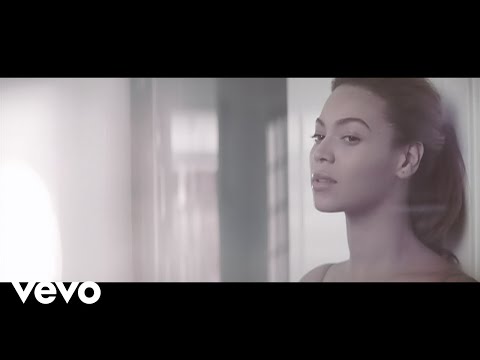
The accompanying video, shot on a beach at night, uses stark lighting, minimal costumes, and close-ups that focus intensely on Beyoncé’s body and movement, turning the song into a visual statement about power, femininity, and control. The video’s aesthetic influenced a wave of music videos that adopted darker, more cinematic, and sexually charged visuals, pushing the boundaries of what was considered acceptable for mainstream pop.
From an artistic perspective, the song and video are widely regarded as major achievements in modern pop and R&B, helping to redefine the role of female artists in terms of autonomy, sexuality, and creative control.
Positive Contributions: Culture, Industry, and Economy
1. Music and Creative Industries
“Drunk in Love” contributed significantly to the evolution of pop and R&B in the 2010s, encouraging other artists to explore more intimate, complex, and sexually explicit narratives in their work. It reinforced the model of a “visual album,” where music and video are released together as a single artistic statement, influencing how artists structure releases and engage audiences.
The song’s success boosted streaming platforms, digital sales, and synchronization revenue (use in ads, films, and TV), creating financial opportunities for producers, videographers, dancers, costume designers, and marketing teams. Beyoncé’s team, including Columbia Records and Sony Music, demonstrated how a single track could drive multi-platform revenue, increasing the strategic value of high-quality music and video production.
2. Fashion, Beauty, and Advertising
The visual style of “Drunk in Love” influenced fashion and beauty trends, particularly in beachwear, minimalistic styling, and bold, sensual imagery used in advertising campaigns. Brands have referenced similar aesthetics in campaigns that aim to convey confidence, power, and sexuality, indirectly expanding the market for fashion and beauty products inspired by the song’s visual language.
In the advertising sector, the song’s popularity showed how music with strong visual identity can become a powerful tool for brand storytelling, increasing the value of music licensing and partnerships between artists and global companies.
3. Education, Media Studies, and Cultural Discourse
In academic and media studies contexts, “Drunk in Love” is frequently used as a case study to discuss:
Representation of women in popular music
The intersection of sexuality, power, and agency
The role of alcohol in romantic narratives
The ethics of using controversial or ambiguous lines in art
This has generated teaching materials, lectures, and articles that help students and researchers critically analyze modern culture, contributing to more nuanced discussions about gender and media. The song’s controversies also pushed media outlets and critics to engage more deeply with questions of domestic violence, language, and the impact of popular art on social attitudes.
4. Social Impact: Empowerment and Debate
For many fans, Beyoncé’s portrayal in “Drunk in Love” is seen as an act of empowerment: a woman who openly claims her sexuality, desires, and control over her body and relationship dynamics. This has resonated with audiences who view the song as a statement of autonomy and self-expression, encouraging broader conversations about female agency in music and society.
At the same time, the track has sparked important debates about how women’s sexuality is commodified and how certain lyrics can be interpreted as normalizing harmful behaviors, which has led to more critical engagement with pop culture and its messages.
Critical and Negative Perspectives: Controversies and Risks
1. Sexualization and Gender Stereotypes
Critics argue that the video and lyrics of “Drunk in Love” reinforce negative stereotypes about women, particularly by linking alcohol consumption with immediate sexual availability and by emphasizing extreme focus on Beyoncé’s body through minimal clothing and voyeuristic framing. Some analyses suggest that this can contribute to a culture where women are expected to present themselves in highly sexualized ways to be valued, perpetuating gender inequalities in media and everyday life.
The emphasis on Beyoncé’s body, combined with the narrative of being “filthy” when liquor is involved, has been interpreted as promoting a harmful association between drinking and loss of control over one’s sexuality, which may influence how young audiences perceive relationships and consent.
2. Ambiguous References to Violence and Abuse
One of the most controversial aspects of the song is a line that has been interpreted by some as referencing domestic abuse in a joking or suggestive way. Critics argue that this trivializes violence against women and sends a message that abuse can be downplayed or treated as humor in intimate relationships. This has led to strong condemnation from advocates for victims of domestic violence and raised questions about the responsibility of artists when their work touches on sensitive social issues.
Supporters, however, argue that the line is ambiguous and may instead reflect a complex, adult relationship where humor and power play are part of intimacy, not actual abuse. Still, the controversy shows how popular music can unintentionally reinforce harmful narratives or be misinterpreted in ways that affect public discourse on violence and gender.
3. Alcohol and Behavior
The song’s repeated references to drinking and becoming “filthy” have also been criticized for presenting alcohol-induced behavior as glamorous or desirable, especially in the context of romantic and sexual relationships. Public health advocates and educators have pointed out that such portrayals can contribute to risky attitudes toward alcohol, particularly among young audiences who may not fully grasp the consequences of substance use in relationships.
Nonetheless, the song can also be seen as a realistic depiction of adult intimacy, where alcohol and desire intersect, and where artists are exploring complex emotional states rather than promoting harmful behavior.
Real Value of Contribution Across Sectors and Society
For the Music and Media Industry
“Drunk in Love” demonstrated how a single track can:
Drive global streaming and digital sales
Increase the strategic importance of high-quality video production
Influence trends in music, fashion, and advertising
Create new models for artist–brand collaborations
This has had a measurable impact on the economics of the creative industry, showing that artists who control their visual and narrative identity can achieve higher long-term value and audience loyalty.
For Education and Research
The song and video have become valuable case studies in:
Media and communication courses
Gender studies and cultural analysis
Ethics in art and popular culture
This contributes to the development of critical thinking skills among students and researchers, helping them understand how popular art shapes social attitudes and norms.
For Public Discourse on Gender and Violence
By sparking debates about sexuality, power, alcohol, and potential references to abuse, “Drunk in Love” has helped bring difficult topics into public conversation. This has encouraged more nuanced discussions about:
The responsibility of artists in representing sensitive issues
The impact of media on attitudes toward gender and violence
The need for critical engagement with popular culture
While the controversies are negative in some respects, they also represent a positive contribution in terms of raising awareness and pushing society to reflect on harmful narratives.
For Society and Culture
Overall, the song’s contribution to society is mixed but significant:
Positive: It has empowered many listeners, expanded artistic possibilities for female artists, and influenced creative industries in music, fashion, and advertising.
Negative: It has also reinforced problematic stereotypes, contributed to debates about the normalization of alcohol and potentially abusive dynamics, and raised ethical questions about the representation of women.
The “real value” of “Drunk in Love” lies in its ability to provoke deep, critical reflection on how power, sexuality, and media intersect in modern culture, pushing both the industry and society to reconsider norms and responsibilities.
Final Critical Assessment
“Drunk in Love (Explicit) ft. JAY Z” is a landmark song that simultaneously represents artistic innovation and cultural controversy. It has made a substantial positive contribution to the music, media, fashion, and education sectors by expanding creative possibilities, driving economic activity, and fostering critical discussion. At the same time, its portrayal of sexuality, alcohol, and ambiguous references to violence have generated serious negative concerns about gender stereotypes and the potential normalization of harmful behaviors.
In sum, the song’s greatest contribution to society is not just its commercial success or aesthetic beauty, but the way it forces artists, industries, and audiences to confront complex questions about power, identity, and responsibility in popular culture. Its legacy is likely to remain a reference point for debates about sexuality, gender, and ethics in music and media for years to come.






![Madonna – Bedtime Story (Official Video) [HD] | Surreal 90s Pop Masterpiece, Mark Romanek Visual Art, and Timeless Madonna Legacy](https://generateforgeai.online/wp-content/uploads/2026/07/madonna-bedtime-story-official-video-hd-surreal-90s-pop-masterpiece-mark-romanek-visual-art-and-timeless-madonna-legacy.jpg)