Beyoncé – Crazy In Love ft. JAY Z Official Video Complete VEVO: The Solo Launch That Reshaped Pop, Dance, and Culture, and Its Real Impact on Music, Media, Fashion, and Society
0A Defining Solo Breakout That Changed Pop Music
“Crazy In Love” by Beyoncé featuring JAY Z was released in 2003 as the lead single from Beyoncé’s debut solo album Dangerously in Love, becoming her first major solo hit and quickly establishing her as a standalone superstar separate from Destiny’s Child. The song topped the Billboard Hot 100, stayed at number one for eight weeks, and became the “song of the summer” for 2003, remaining a staple on radio, clubs, and streaming platforms more than two decades later.
The track’s futuristic yet retro sound, built on a sample from The Chi-Lites’ 1970 song “Are You My Woman (Tell Me So),” combined with JAY Z’s rap, Beyoncé’s powerful vocals, and the instantly recognizable “uh oh, uh oh, oh no no” hook, created a new template for pop–R&B–hip-hop crossover music. Its music video, directed by Jake Nava, with dramatic red lighting, high-fashion looks, and a bold “standing-twerk” dance, became equally iconic and is still widely referenced in dance, fashion, advertising, and media.
Musical and Visual Innovation
Sound Production and Genre Fusion
“Crazy In Love” was produced by Rich Harrison, who fused 1970s funk and soul with contemporary hip-hop and pop, creating a sound that felt both nostalgic and radically new. The opening horn sample from The Chi-Lites’ track was reprocessed into a punchy, rhythmic riff that dominated the song’s identity, showing how classic Black music could be reimagined for a new generation of listeners.
Beyoncé’s vocal delivery moves from intimate and vulnerable verses to explosive, assertive choruses, while JAY Z’s rap segment adds a confident, masculine counterpoint that balanced the track’s emotional intensity. This combination of vocalist and rapper, built around a shared love narrative, helped establish the “rap-sung” crossover model that many artists later adopted in pop and R&B.
Visual Storytelling and Dance Culture
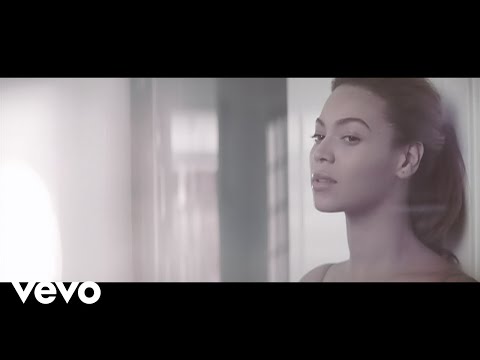
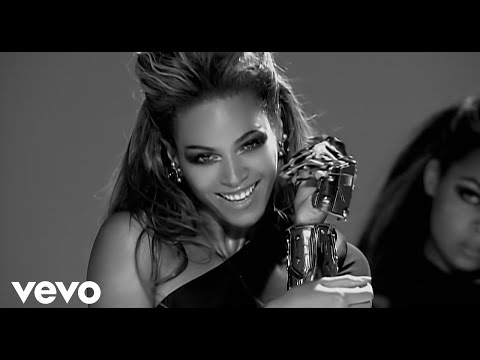
The music video presents Beyoncé in a high-contrast, red-lit environment, with dramatic slow-motion shots, bold fashion, and choreography that emphasizes her power and sexuality. The video’s standout moment is the “uh oh” dance, where Beyoncé and her backup dancers perform a sharp, rhythmic “standing-twerk” move that became instantly viral and widely imitated in clubs, dance classes, award shows, and online videos.
This choreography helped turn the video into a cultural phenomenon, influencing how pop stars use dance as a central element of their branding and marketing. The “uh oh” movement became one of the most recognizable pop dances of the 2000s, showing how a single video moment could shape global dance trends and social behavior.
Positive Contributions: Culture, Industry, and Social Progress
1. Music Industry and Career Building
“Crazy In Love” launched Beyoncé’s solo career in a way that few debuts have, transforming her from a successful group member into a global icon with a distinct artistic identity. The song’s success helped Dangerously in Love debut at number one on the Billboard 200, generating massive sales, streaming, and touring revenue for Beyoncé, Columbia Records, Sony Music, producers, writers, and marketing teams.
Beyond Beyoncé’s individual success, the track demonstrated how a strong collaboration between a top rapper and a pop–R&B vocalist could dominate charts and reshape the industry’s approach to crossover hits. It set a precedent for future rap-sung collaborations, influencing how labels, artists, and producers build projects that appeal to multiple audiences and genres.
2. Dance, Performance, and Digital Media
The “uh oh” dance became an early example of a viral dance trend that spread through clubs, schools, and online platforms, creating a shared cultural moment that connected people across different demographics and regions. This democratized access to professional choreography, allowing everyday people to learn, practice, and share the routine, and helped prove that dance could be a central driver of a song’s popularity and longevity.
In the digital age, the video’s choreography and visual style have continued to inspire new generations of dancers, content creators, and influencers, showing how a single moment in a music video can have decades-long influence on dance culture, social media trends, and live performance aesthetics.
3. Fashion, Beauty, and Advertising
The video’s bold red aesthetic, high-fashion styling, and dramatic lighting influenced fashion and beauty trends, particularly in red dresses, bold accessories, and dramatic, performance-oriented looks used in advertising and editorial photography. Brands have referenced similar high-contrast, powerful visuals in campaigns that emphasize confidence, strength, and independence, indirectly expanding the market for products inspired by the song’s visual language.
In advertising, “Crazy In Love” showed how a strong music video could become a powerful tool for brand storytelling, with companies using its energy, dance, and iconic imagery in promotions that emphasize passion, risk, and empowerment. This increased the economic value of music licensing and artist–brand partnerships, creating new revenue streams for the creative industry.
4. Social Impact: Love, Identity, and Representation
For many listeners, “Crazy In Love” is a celebration of risky, overwhelming love that defies logic and social expectations, resonating with people who feel that true love can be messy, intense, and transformative. The song’s message that someone can be “crazy in love” despite friends’ warnings or personal doubts has become a cultural shorthand for embracing passion and vulnerability, even when it feels irrational or dangerous.
As a Black female artist collaborating with one of the most influential Black male rappers, Beyoncé and JAY Z’s partnership in “Crazy In Love” helped normalize and celebrate Black love in mainstream media, contributing to broader conversations about representation, identity, and the visibility of Black relationships in pop culture. Their collaboration marked the beginning of what would later become known as “The Carters,” a powerful cultural and economic force in music, fashion, and business.
Critical and Negative Perspectives: Controversies and Risks
1. Gender Dynamics and Relationship Narratives
Critics argue that “Crazy In Love” frames love as something irrational, overwhelming, and potentially destructive, where the protagonist knowingly enters a relationship despite warnings from friends and doubts about compatibility. While this can be seen as romantic, it may also reinforce narratives where women are portrayed as emotionally vulnerable, prone to losing control, and willing to ignore clear signs of trouble in the name of passion.
Some analysts suggest that the song’s emphasis on being “crazy” in love can subtly normalize unhealthy relationship dynamics, where intensity and obsession are equated with deep love, rather than with mutual respect, communication, and stability. In this sense, the song may contribute to a cultural script that encourages people to pursue high-intensity, risky relationships instead of more balanced, long-term partnerships.
2. Sampling, Ownership, and Commercialization of Black Music
While “Crazy In Love” is widely celebrated for its use of The Chi-Lites’ sample, some critics raise questions about the commercialization of Black music history, where classic tracks are repurposed by major artists and labels for massive profit, often without sufficient acknowledgment or compensation for the original creators. This tension highlights broader issues of ownership, representation, and the economic value of Black cultural contributions in the music industry.
Although Rich Harrison and Beyoncé’s team worked to recontextualize the sample in a modern sound, the song’s success also demonstrates how mainstream pop can profit from Black musical traditions while sometimes obscuring their origins and the struggles of the artists who created them.
3. Sexualization and Power
The video’s dramatic visuals, bold styling, and focus on Beyoncé’s body and movement can be seen as both a celebration of female power and a continuation of the sexualized representation of women in pop culture. Critics argue that even in a context of empowerment, Beyoncé’s image is framed through highly sexualized aesthetics that may reinforce expectations that female stars must be visually appealing and sexually confident to be valued.
This tension—between empowerment and objectification—raises important questions about how women’s agency is represented in mainstream music and media, and whether the “Crazy In Love” image contributes to a culture where women’s power is often expressed through highly sexualized visuals.
Real Value of Contribution Across Sectors and Society
For the Music and Media Industry
“Crazy In Love” demonstrated how a bold sonic concept, a memorable hook, and a visually striking video could create a global phenomenon that reshaped how artists and labels approach solo debuts, crossover collaborations, and visual storytelling. The song’s commercial success and cultural impact generated significant revenue for the creative industry, including record labels, production companies, writers, producers, videographers, and marketing teams, showing how a single track can drive multi-platform economic activity through streaming, licensing, and live performance.
For Education, Research, and Cultural Discourse
In academic and educational settings, the song and video are used as case studies to explore:
The role of sampling in modern pop and R&B
The intersection of gender, race, and power in popular culture
The impact of dance and visual media on song success and longevity
This contributes to the development of critical thinking, media literacy, and a deeper understanding of how popular culture shapes social attitudes and norms around love, identity, and representation.
For Public Discourse on Love, Gender, and Identity
By sparking debates about relationship dynamics, gender representation, and the commercialization of Black music, “Crazy In Love” has helped bring difficult topics into public conversation. This has encouraged more nuanced discussions about:
The responsibilities of artists in representing love and relationships
The impact of media on attitudes toward passion, risk, and vulnerability
The need for critical engagement with popular culture and its messages
While some aspects of the song are controversial, they also represent a positive contribution in terms of raising awareness and pushing society to reflect on complex issues around gender, race, and identity.
For Society and Culture
Overall, the song’s contribution to society is mixed but significant:
Positive: It launched Beyoncé’s solo career, reshaped pop–R&B–hip-hop crossover music, influenced dance and fashion trends, and celebrated Black love and representation in mainstream media.
Negative: It has also raised concerns about the normalization of risky relationship dynamics, the commercialization of Black musical heritage, and the sexualized framing of female power.
The “real value” of “Crazy In Love” lies in its ability to provoke deep, critical reflection on how music, media, and identity intersect in modern culture, pushing both the industry and society to reconsider norms and responsibilities.
Final Critical Assessment
“Crazy In Love” by Beyoncé featuring JAY Z is a landmark song and video that simultaneously represents artistic innovation and cultural controversy. It has made a substantial positive contribution to the music, media, dance, fashion, and education sectors by launching Beyoncé’s solo career, reshaping crossover music, and fostering critical discussion about race, gender, and representation. At the same time, its portrayal of intense, risky love, its use of sampled Black music, and its sexualized visuals have generated serious negative concerns about relationship narratives, ownership, and the representation of women.
In sum, the song’s greatest contribution to society is not just its commercial success or iconic status, but the way it forces artists, industries, and audiences to confront complex questions about power, identity, and responsibility in popular culture. Its legacy is likely to remain a reference point for debates about pop evolution, Black artistry, and media representation for years to come.


![Madonna – Bedtime Story (Official Video) [HD] | Surreal 90s Pop Masterpiece, Mark Romanek Visual Art, and Timeless Madonna Legacy](https://generateforgeai.online/wp-content/uploads/2026/07/madonna-bedtime-story-official-video-hd-surreal-90s-pop-masterpiece-mark-romanek-visual-art-and-timeless-madonna-legacy.jpg)