Beyoncé – Jealous (Official Video) | Vulnerable Ballad
0Beyoncé – Jealous (Official Video) | Vulnerable Ballad
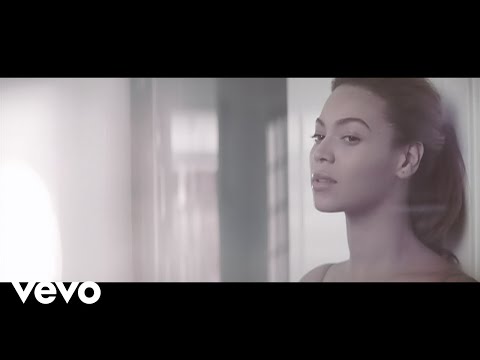
“Jealous” is a 2013 self-titled album ballad from Beyoncé that stands out as one of her most intimate, emotionally raw, and vulnerable songs, with its official video (released as part of the surprise 17-video drop for the Beyoncé album in December 2013) portraying a woman alone in a penthouse, dressing up, leaving for a bar, and then facing the overwhelming presence of fans and cameras in the streets of New York City. Produced by understood collaborators including Beyoncé herself, Boots, and The-Dream, the track blends distorted vocals, layered yelps, and slow-burning R&B textures to create a mood of suspicion, jealousy, and regret that feels both personal and universal. By 2026, the song remains a staple in discussions of Beyoncé’s emotional range, her willingness to show imperfection, and the role of pop as a space for confession and self-examination.
The Song, the Video, and the Beyoncé Album Context
“Jealous” is built on a slow, brooding R&B groove with distorted vocal layers, echoing yelps, and a minimalist but emotionally dense production style. The lyrics are introspective and confrontational: Beyoncé sings about being stood up for dinner, feeling jealous that her partner can “run off in his world” while leaving her alone, and acknowledging that she cannot play the same games because of her love. The song’s emotional arc moves from anger and suspicion to regret and self-awareness, culminating in a line that admits she can be wrong too: “I know I could be wrong sometimes”.
The official video, co-directed by Beyoncé, Francesco Carrozzini, and Todd Tourso, was shot in New York City in late November 2013 at 4 a.m. in freezing cold conditions. It opens with a half-naked Beyoncé cooking dinner in a penthouse, waiting for a date who never arrives. She then puts on an iconic “Freakum dress,” leaves the apartment, and ends up in a bar, where she is surrounded by other women and music. After exiting the bar, she walks into the city streets and is met by a multitude of fans and camera phones, capturing the moment that “she can never be by herself”.
The video’s visual language is stark and intimate: empty rooms, a half-eaten meal, a single dress, and the overwhelming presence of the public. It functions as a counterpoint to the more glamorous, high-production visuals of other songs on the album, emphasizing instead the loneliness, vulnerability, and unavoidable scrutiny that come with being a global icon. Director Francesco Carrozzini explained that the video is not about someone who feels jealousy but about Beyoncé herself, someone who “cannot be by herself no matter where she goes or what she does, because she’s who she is”.
“Jealous” is positioned within the Beyoncé album as a moment of introspection, a bridge between the more outward, performative songs and the deeper, more personal tracks that follow. It functions as a confession, a plea for honesty, and a declaration of self, reflecting Beyoncé’s evolution from pop star to a cultural figure willing to show her imperfections. The track’s placement and lyrical content reflect Beyoncé’s broader project in Beyoncé: to explore the complexities of love, power, and identity, and to position herself as both a participant in and a leader of that cultural movement.
A Very Positive Interpretation: Emotional Courage, Vulnerability, and Cultural Resonance
Artistic and Emotional Mastery
From an artistic and emotional standpoint, “Jealous” is widely seen as a high point in Beyoncé’s career, a moment where she fully embraces her identity as a Black, emotionally complex, and psychologically honest artist. Critics praised the song for its haunting vocal delivery, its brooding, minimalist production, and its ability to convey a sense of jealousy, suspicion, and regret without relying on ornate instrumentation or spectacle. The track is often described as a “power ballad,” a “gut-wrenching slow jam,” and one of the most vulnerable and intimate songs on the album.
The official video is praised for its stark, intimate approach, which forces the viewer to engage with Beyoncé’s loneliness and vulnerability rather than with spectacle. By stripping away the visual distractions of a typical music video, the video turns the song into a kind of confession, a moment of self-examination, and a reminder that even a global icon can feel alone, jealous, and imperfect. This choice aligns with the album’s broader theme of emotional honesty: the video is not about glamour but about message, about claiming vulnerability and imperfection as tools of power and connection.
Vulnerability and the Humanization of Fame
“Jealous” is also read as a statement on the human side of fame, the part of the psyche that contains our jealousy, our suspicion, and our desire for connection. The song’s lyrics—“Sometimes I want to walk in your shoes, do the things I never ever do,” and “I take one look in the mirror, and I say to myself, ‘Baby girl, you can’t survive like this’”—are often interpreted as a declaration of self-awareness, a refusal to be diminished by a world that has historically judged Black women and their relationships as either too perfect or too flawed. The song’s placement in Beyoncé, an album that explores power, identity, and intimacy, reinforces this reading: Beyoncé is not just a pop star but a cultural leader who is reclaiming spaces of art, power, and visibility for those who have been excluded.
In this sense, the song and video contribute to a broader cultural project: normalizing the idea that everyone feels jealousy, that everyone has moments of suspicion and regret, and that the search for honesty is a universal human experience. The video’s use of intimate imagery (“half-naked Beyoncé,” “half-eaten meal,” “Freakum dress”) can be seen as a reclaiming of those symbols, not as escapism but as a statement of self-worth, belonging, and the desire for connection.
Cultural Legacy and Emotional Representation
“Jealous” is also read as a statement on female empowerment, emotional honesty, and the role of art as a space for healing. The song’s lyrics—“I know I could be wrong sometimes”—are often interpreted as a radical transition from the unapologetic, assertive Beyoncé of “Irreplaceable” or “Single Ladies” to a more nuanced, emotionally honest version of herself. The Atlantic editor Nolan Feeney argued that “Jealous” might be one of the most important songs on the album due to her admission of her errors at the end of the song, a radical transition from the unapologetic persona she had cultivated.
In this sense, the song and video contribute to a broader cultural project: redefining who is allowed to occupy spaces of vulnerability, emotional honesty, and narrative center. The song’s use of intimate imagery and its focus on personal narrative can be seen as a reclaiming of those spaces, not as escapism but as a statement of self-worth and belonging.
A Very Negative Interpretation: Self-Focus, Consumerism, and the Limits of Vulnerability
Self-Focus and the Myth of Universality
A harsh but coherent critique of “Jealous” argues that the song’s lyrics promote a form of self-focus and individualism that is at odds with the album’s broader themes of power, intimacy, and relational honesty. The repeated claims of being “stood up,” “run off in his world,” and “left alone with the dinner she’s labored over” can be read as a reinforcement of the idea that power and value come from being exceptional, from being apart from the world, rather than from solidarity, connection, or collective action.
Critics have described the song as a “gut-wrenching slow jam” and a “power ballad” but also as a “self-referential song discussing feelings of jealousy, suspicion, and revenge directed at a present love interest” that positions Beyoncé as a woman who is detached from and superior to the world. In this reading, the song’s “courage” is limited: it is a performative, individualistic form of resistance that does not challenge structural inequalities or offer alternatives to the logic of competition and exclusion.
Consumerism and the Myth of Vulnerability
Another negative interpretation is that “Jealous” reduces vulnerability to consumerist performance: the idea that a woman’s primary response to jealousy and suspicion is to buy, wear, and display luxury, to put on an iconic “Freakum dress,” and to spend the night out in a bar, enforcing her intolerance for being “undervalued.” In this view, the song’s “Freakum dress” and “penthouse” are not a form of autonomy but a reinforcement of the notion that women must be visually and materially competitive, constantly optimized to maintain status and attention.
Critics have described the song as exploring “the imperfections side of her that Beyoncé rarely shows” but also as a commercial product that prioritizes spectacle and sales over substance and solidarity. From this perspective, the song’s “vulnerability” is limited: it is a performative, market-driven form of resistance that does not challenge the systems of wealth, power, and exclusion that make Beyoncé’s level of success possible.
Exclusion and the Limits of Emotional Representation
While Beyoncé is often praised for its exploration of intimacy, power, and identity, some critics argue that the album and its songs, including “Jealous,” can still reinforce narrow beauty standards, class hierarchies, and market-driven narratives of emotion. The song’s use of luxury imagery (“penthouse,” “Freakum dress,” “dinner she’s labored over”) and its focus on individual vulnerability and self-awareness can be seen as exclusionary, privileging those who can afford luxury and aligning emotional honesty with consumption rather than with collective action.
In this view, the song and video are empowering for some audiences but exclusionary for others, and they risk commodifying the idea of “vulnerability” into a marketable, body-centric performance. The “Jealous” figure in the song can be read as a symbol of detachment, of being apart from the world, rather than as a symbol of resistance, of being in solidarity with those who have been marginalized.
Real Value of Contribution Across Sectors
Music and Entertainment Industry
“Jealous” and its official video contribute to the music and entertainment sector by:
Demonstrating how minimalist production, distorted vocal layers, and intimate visuals can create a sense of confession, vulnerability, and self-examination in pop music.
Providing a brooding, introspective track that has been consistently used in live shows, ensuring income for large teams of performers and technicians.
Reinforcing the link between music, fashion, and social media, which supports designers, stylists, and content creators who collaborate with pop artists.
On August 8, 2022, “Jealous” was certified gold by the RIAA, reflecting 500,000+ equivalent units in the U.S. and indicating sustained streaming and purchase activity over nearly a decade.
Fashion, Beauty, and Local Economies
The song’s lyrics and aesthetic have been referenced in fashion, beauty, and social media, contributing to the broader cultural economy of image, identity, and brand. The “Freakum dress” in the video, a nod to Beyoncé’s earlier song, has become a symbol of female empowerment and self-assertion, inspiring fans to recreate the look and share their own stories of jealousy and vulnerability online.
Education, Training, and Cultural Discourse
In music education and cultural studies, “Jealous” and its video are used as:
A case study in how pop songs and videos can encode complex ideas about identity, power, vulnerability, and consumerism.
A teaching example for performance, vocal delivery, and intimate visual design in pop music.
A reference point in discussions on Black female excellence, emotional honesty, and the role of art as healing.
This contributes to the training of future performers, scholars, and creators, supporting the intellectual and professional development of the next generation.
Society and Cultural Progress
On a societal level, “Jealous” contributes to:
Expanding the cultural vocabulary around Black female excellence, emotional honesty, and the role of art as a space for healing.
Creating a shared reference point that fans and critics can use to discuss issues of identity, power, representation, and emotional vulnerability.
Inspiring audiences to think about their own place in the world, their own sense of jealousy or self-awareness, and their own decisions in relationships and self-presentation.
However, this contribution is mixed: it is powerful as a symbol of individual vulnerability but limited if it does not translate into broader structural change in how women, Black people, and their relationships are valued, represented, and supported in society and institutions.
Critical Synthesis: Why “Jealous” Remains Ambiguous
“Jealous” and its official video are simultaneously:
Celebrated as a haunting, introspective ballad that showcases Beyoncé’s vocal power, performative charisma, and ability to turn a pop song into a confession, a plea for honesty, and a declaration of self.
Contested as a product that ties vulnerability to consumerism, individualism, and the performance of self-awareness, and that reinforces narrow beauty standards, class hierarchies, and market-driven narratives of emotion.
Its “real value” is not a single metric but a set of effects across multiple sectors: musical performance, live touring, fashion, education, and cultural discourse. Those effects are deeply positive in terms of inspiration, artistic craft, and economic spillover, but they are also bound to a system that rewards spectacle, luxury, and market-driven narratives of power.
By 2026, the song and video continue to function as both a celebration of what a pop star can achieve when music, image, and message align, and as a reminder of how that achievement is embedded in a larger architecture of wealth, control, and cultural power. The tension between those two readings is precisely what keeps “Jealous” relevant, debated, and endlessly reinterpreted as a defining moment of the Beyoncé album and a vulnerable ballad that challenges the boundaries of fame, emotion, and identity.





![Madonna – Bedtime Story (Official Video) [HD] | Surreal 90s Pop Masterpiece, Mark Romanek Visual Art, and Timeless Madonna Legacy](https://generateforgeai.online/wp-content/uploads/2026/07/madonna-bedtime-story-official-video-hd-surreal-90s-pop-masterpiece-mark-romanek-visual-art-and-timeless-madonna-legacy.jpg)