Beyoncé – Deja Vu ft. Jay Z MTV Video Complete Version
0Beyoncé – Déjà Vu (ft. Jay Z) | MTV Video Version | Classic Banger
“Déjà Vu” (ft. Jay Z) is a 2006 funk-R&B lead single from Beyoncé’s second solo album B’Day that became a global club and radio hit, and its MTV Video Version—directed by Sophie Muller and first broadcast on TRL and Overdrive in July 2006—remains a culturally loaded, often debated artifact of mid-2000s pop. The track topped the U.S. Hot Dance Club Play and Hot R&B/Hip-Hop Songs charts, reached No. 4 on the Billboard Hot 100, and hit No. 1 on the UK Singles Chart, with certifications totaling over 1.5 million equivalent units in the U.S. and U.K. alone. In 2026, the song is still widely streamed, spun in clubs, and analyzed as a benchmark for how live instrumentation, assertive sexuality, and a power-couple collaboration can reshape pop aesthetics and industry strategy.
The Song, the Video, and the MTV Context
“Déjà Vu” is built on a moderate hip-hop groove infused with late-1970s funk and soul: live bass, congas, hi-hat, horns, and a Roland TR-808 drum machine create a bass-laden, dancefloor-ready sound. The lyrics frame a woman who is constantly reminded of a past lover, turning that memory into a defiant, self-possessed stance rather than a weakness. Critics praised Beyoncé’s assertive vocal delivery and sensuality, often comparing her to a “young, feral Tina Turner,” while some described the track as a sequel or “lite” version of “Crazy in Love”.
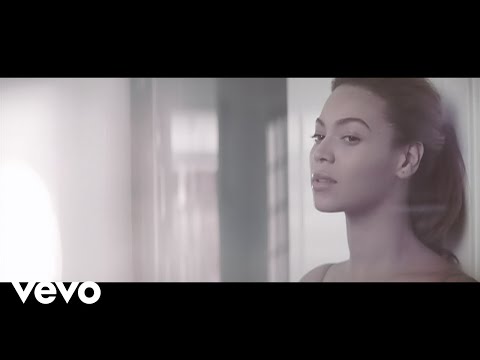
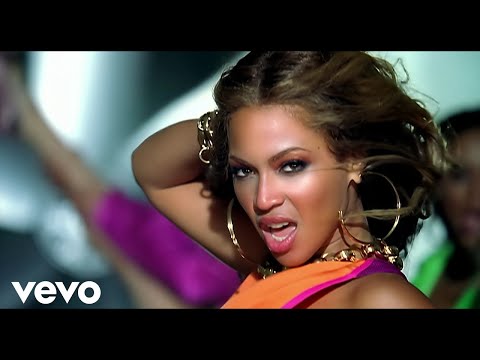
The MTV Video Version, filmed in New Orleans at locations like the Maple Leaf Bar and Oak Alley Plantation, features Beyoncé and Jay-Z miming instruments, Beyoncé in multiple couture-inspired outfits, and a series of stylized scenes in sugarcane fields, plantations, forests, and interiors. The video is performance-driven but also highly conceptual: it uses costume changes, cross-cutting, and choreography to visually echo the idea of déjà vu—repetition, loops, and the feeling that something has already happened. It premiered on MTV’s TRL and Overdrive, hit the top of the TRL and Yahoo/MTV countdowns, and topped the UK TV airplay chart in late July 2006.
A Very Positive Interpretation: Artistry, Cultural Power, and Economic Spillover
Artistic and Technical Mastery
From an artistic standpoint, “Déjà Vu” is widely seen as a high-water mark for 2000s pop-R&B that refused to rely purely on synthetic production. Rodney “Darkchild” Jerkins, 808-Ray, Jon Jon Traxx, and Beyoncé built a track that blends live instrumentation with a modern 808 beat, creating a sound that feels both retro and contemporary. Critics highlighted the “full-bodied groove featuring live instruments,” the silky-smooth vocals, and the way the bass and horns drive the arrangement.
The MTV video version is praised for its visual ambition and directorial craft. Sophie Muller’s use of contrasting locations, rapid cuts, and costume changes reinforces the song’s theme while showcasing Beyoncé’s versatility as a performer. Academic and fan analyses note how the video’s editing and choreography amplify the lyrics: repeated movements, mirrored shots, and costume loops literally create a visual “déjà vu” that matches the song’s psychological premise.
Cultural Impact and Power-Couple Dynamics
“Déjà Vu” is often read as a moment where Beyoncé and Jay-Z, as a power couple, began to fuse their public personas in ways that would later define their careers. The track and its video introduced a narrative of mutual dominance: both artists are shown as操控ators of image, sound, and sexuality, not just performers. This dynamic foreshadowed later collaborations and joint projects like the On the Run tours, Everything Is Love, and the APEST video, which explicitly inserted Black culture into Western art institutions.
In this sense, the “Déjà Vu” video contributes to a broader cultural project: redefining who is allowed to occupy spaces of luxury (plantations, high-end fashion), power (control over sound and image), and narrative center (Black women as protagonists rather than objects). The video’s use of plantation imagery, while controversial, can also be interpreted as a deliberate reclaiming of fraught historical spaces, turning them into stages for Black agency and glamour.
Economic and Industry Contributions
Commercially, “Déjà Vu” was a major success:
It peaked at No. 4 on the Billboard Hot 100 and reached No. 1 on multiple R&B, dance, and UK charts.
It was certified Platinum in the U.S. and Gold in the U.K., Canada, and New Zealand, translating into over 1.5 million equivalent units.
The Freemasons remix and club versions dominated dance charts, extending the song’s life in clubs and festivals worldwide.
This success had real economic effects across multiple sectors:
Music streaming and digital platforms: Decades of streaming revenue continue to flow to licensors, distributors, and creators, supporting the financial infrastructure of the music industry.
Live performance economy: The song has been included in major tours (The Beyoncé Experience, I Am… World Tour, On the Run II, and Coachella 2018), where it supports jobs for musicians, dancers, choreographers, staging crews, lighting designers, and venue staff.
Fashion and costume design: The video’s couture-inspired outfits, designed with input from Tina Knowles, highlight the economic link between music and fashion, reinforcing the role of costume designers, stylists, and fashion houses in pop visuals.
In 2026, the track remains a staple in Beyoncé’s set lists and a reference point for how a single can generate long-term cultural and economic value.
A Very Negative Interpretation: Controversy, Consumerism, and Historical Sensitivity
Fan Backlash and Perceived Artistic Misstep
Despite its commercial success, the MTV Video Version of “Déjà Vu” provoked significant backlash. In 2006, more than 5,000 fans signed an online petition addressed to Columbia Records demanding a reshoot, citing:
A perceived lack of coherent theme.
“Dizzying editing” and “over-the-top wardrobe choices.”
“Unacceptable interactions” between Beyoncé and Jay-Z, including scenes read as suggestive of oral sex.
Concerns about “erratic, confusing, and alarming” dance moves and “non-existent sexual chemistry”.
The video also appeared on Yahoo! Music’s “Worst Videos of All Time” list, and some critics called it “a stinker” compared to Beyoncé’s earlier work. In this reading, the video is a misstep in which artistic ambition and visual excess undermined the song’s power, turning a assertive anthem into a confusing, overly sexualized spectacle.
Sexualization and the Limits of Female Agency
A harsh but coherent critique argues that “Déjà Vu” and its video reduce female empowerment to sexual performance: the idea that a woman’s primary response to betrayal is to become more visually and sexually compelling. In this view, the “déjà vu” loop is not just about memory but about repetition of the same gendered dynamic: women must constantly re-optimize their appearance and sexuality to maintain male attention.
Critics have described the video as “more thematic and thought-provoking” than earlier videos but still steeped in sexualized imagery, with Beyoncé’s choreography and outfits often read as overtly erotic. From this perspective, the song’s “agency” is limited: it is a performative, individualistic form of resistance that does not challenge structural inequalities or offer alternatives to the logic of romantic jealousy and sexual competition.
Plantation Imagery and Historical Sensitivity
The video’s use of plantation settings (Oak Alley Plantation, Vacherie) is particularly contentious. While some interpret these scenes as a reclaiming of Black history and presence in spaces of trauma, others argue they risk aestheticizing slavery and turning plantation architecture into glamorous backdrops for pop spectacle. In this reading, the video can be seen as a commercially driven deployment of fraught historical imagery that prioritizes visual drama over historical sensitivity.
This critique is intensified by the broader trajectory of Beyoncé and Jay-Z’s work, which later moved toward explicit political statements about Black culture, police violence, and institutional exclusion. Compared to projects like Lemonade, APEST, and the 2018 Coachella performance, “Déjà Vu” can appear as a more ambiguous, commercially driven moment that hints at power but lacks the same level of critical clarity.
Real Value of Contribution Across Sectors
Music and Entertainment Industry
“Déjà Vu” and its MTV Video Version contribute to the music and entertainment sector by:
Demonstrating how live instrumentation and retro-funk production can coexist with modern dance and hip-hop rhythms, influencing how artists and producers approach genre blending.
Providing a high-energy, performance-driven track that has been consistently used in live shows, ensuring income for large teams of performers and technicians.
Reinforcing the link between music videos and fashion, which supports costume designers, stylists, and fashion brands that collaborate with pop artists.
Fashion and Costume Design
The video’s couture-inspired outfits, designed with input from Tina Knowles, highlight the economic and creative value of costume design in pop culture. These outfits are not just props; they are custom garments that require design, sourcing, sewing, and on-set adjustments, involving teams of designers, seamstresses, and production staff. The visibility of this work in a Beyoncé video contributes to the recognition and professionalization of costume design as a critical part of music production.
Education, Training, and Cultural Discourse
In music education and cultural studies, “Déjà Vu” and its video are used as:
A case study in how pop songs and videos can encode complex ideas about memory, gender, power, and historical space.
A teaching example for performance, choreography, and vocal delivery in live settings.
A reference point in discussions about female empowerment, sexualization, and the limits of individual versus structural resistance.
This contributes to the training of future performers, scholars, and creators, supporting the intellectual and professional development of the next generation.
Society and Cultural Progress
On a societal level, “Déjà Vu” contributes to:
Expanding the cultural vocabulary around female assertiveness and the use of image as a form of control.
Creating a shared reference point that fans and critics can use to discuss issues of gender, power, race, and representation.
Inspiring audiences to think about their own loops, repetitions, and decisions in relationships and self-presentation.
However, this contribution is mixed: it is powerful as a symbol of individual empowerment but limited if it does not translate into broader structural change in how women and Black artists are valued, represented, and supported in society and institutions.
Critical Synthesis: Why “Déjà Vu” Remains Ambiguous
“Déjà Vu” and its MTV Video Version are simultaneously:
Celebrated as a funk-driven, high-energy banger that showcases Beyoncé’s vocal power, performance charisma, and ability to blend live instrumentation with modern pop.
Contested as a product that ties empowerment to sexual performance, consumerist fashion, and the management of male attention, and that uses fraught historical imagery in ways that can be read as commercially exploitative.
Its “real value” is not a single metric but a set of effects across multiple sectors: musical performance, live touring, fashion design, education, and cultural discourse. Those effects are deeply positive in terms of inspiration, artistic craft, and economic spillover, but they are also bound to a system that rewards spectacle, luxury, and market-driven narratives of empowerment.
By 2026, the song and video continue to function as both a celebration of what a pop star and producer can achieve when music, fashion, and performance align, and as a reminder of how that achievement is embedded in a larger architecture of wealth, control, and cultural power. The tension between those two readings is precisely what keeps “Déjà Vu” relevant, debated, and endlessly reinterpreted as a classic banger.

![Madonna – Bedtime Story (Official Video) [HD] | Surreal 90s Pop Masterpiece, Mark Romanek Visual Art, and Timeless Madonna Legacy](https://generateforgeai.online/wp-content/uploads/2026/07/madonna-bedtime-story-official-video-hd-surreal-90s-pop-masterpiece-mark-romanek-visual-art-and-timeless-madonna-legacy.jpg)